August 4, 2026
Dealing with a septic backup can feel overwhelming for any homeowner. Wastewater issues disrupt daily routines and create unpleasant conditions around your property. Knowing how to react when your system struggles helps protect your plumbing, safeguard your family, and resolve issues quickly. Choosing a professional septic pumping service keeps your system running smoothly before small problems turn into costly repairs.
Identifying Signs of a Septic Backup
One early sign of a failing system is a foul smell around your property. Sewer odors floating near drains or rising from your yard signal that waste is not moving properly. Addressing strange smells right away prevents bigger messes.
Noticing Slow Draining Fixtures
When water drains sluggishly from sinks or showers, your septic tank may be reaching its limit. Slow drainage across multiple fixtures usually points to a main line blockage or a full tank.
Finding Water Pooling in Your Yard
Puddles forming near your drainfield during dry weather strongly suggest a system backup. When the tank fills beyond capacity, liquid waste rises to the surface. Keeping an eye on wet spots in the grass helps catch issues early.
Hearing Gurgling Plumbing Noises
Gurgling sounds from pipes after flushing or running a tap indicate trapped air. Air bubbles form when wastewater struggles to pass through filled lines or a crowded tank. Pay attention to strange noises before pipes overflow.
Seeing Sewage Backup in Drains
The clearest sign of trouble occurs when sewage comes back up through lower drains. This situation demands immediate attention because wastewater contains harmful bacteria. Stopping water use limits property damage and health risks.
Taking Immediate Action During Backups
When facing a backup, turn off taps and avoid using appliances. Running washing machines or dishwashers pushes more liquid into an overburdened tank. Pausing water use gives the system a break and prevents further spilling.
Alerting Household Members Promptly
Gather everyone in the home to explain the situation immediately. Make sure family members know not to flush toilets or run faucets until a technician inspects the system. Clear communication keeps everyone safe.
Turning Off Electricity Near Water
Water and electricity create serious safety hazards when mixed. If wastewater enters areas with electrical outlets or floor appliances, turn off power at the breaker box right away. Staying safe should always remain your top concern.
Avoiding Direct Contact With Sewage
Raw sewage carries bacteria that pose serious health risks. Keep children and pets far away from affected drains or flooded yard areas. Wear rubber boots and thick gloves if minor cleanup is necessary.
Documenting Issues for Insurance
Take clear photos and videos of affected areas before starting cleanup. Recording damage helps when submitting claims to your home insurance provider. Keep notes on when the issue started and save all technician receipts.
Contacting Professional Plumbing Help
Selecting an experienced team ensures your plumbing receives proper care. Look for licensed professionals who have a solid reputation for handling emergency backups. Hiring a reliable septic pumping service brings trained technicians who possess the right tools to clear blockages safely.
Requesting an Immediate Inspection
When calling a technician, explain your symptoms clearly, so they understand the urgency. Prompt inspections pinpoint whether your issue stems from a simple pipe clog or a full tank, preventing minor backups from turning into major repairs.
Understanding Emergency Versus Scheduled Service
Emergency calls address sudden spills outside regular business hours. While emergency visits restore safety right away, routine maintenance calls can be scheduled during standard hours at lower rates. Knowing the difference helps you decide which option fits your needs.
Reviewing Insurance Coverage Options
Check your policy details to see what types of plumbing damage your coverage includes. Some insurance policies help pay for cleanup costs after accidental backups. Speaking with your insurance representative clarifies your options during a claim.
Preparing System Information for Technicians
Gather basic details about your tank location, past repairs, and recent service dates before the technician arrives. Having this information ready saves time and helps the team diagnose the problem faster.
Maintaining Your Septic System
Routine maintenance prevents solids from building up and clogging your drainfield. According to EPA guidelines, booking a routine septic pumping service every three to five years helps maintain proper system performance. Sticking to a steady routine avoids unexpected backups over time.
Monitoring Household Water Usage
Spreading out laundry loads and fixing leaky faucets reduces strain on your tank. Excess water flushes through the system too fast, pushing solids into the drainfield. Relying on a timely septic pumping service prevents unexpected overflows.
Keeping Harmful Chemicals Out of Drains
Harsh cleaners and paint kill the beneficial bacteria that break down waste in your tank. Avoid pouring strong chemicals down sinks or toilets to protect these natural microorganisms and keep your system working smoothly.
Landscaping Safely Around the Tank
Planting trees or heavy shrubs near your system risks root intrusion into pipes. Tree roots seek out moisture, which can crack tanks and block lines. Stick to shallow-rooted grass over your drainfield to prevent structural damage.
Installing an Effective Effluent Filter
An effluent filter sits at the outlet of your tank to catch solid debris before it exits into the drainfield. Cleaning this filter periodically prevents clogs from forming downstream, providing extra protection against backups.
Understanding Septic System Basics
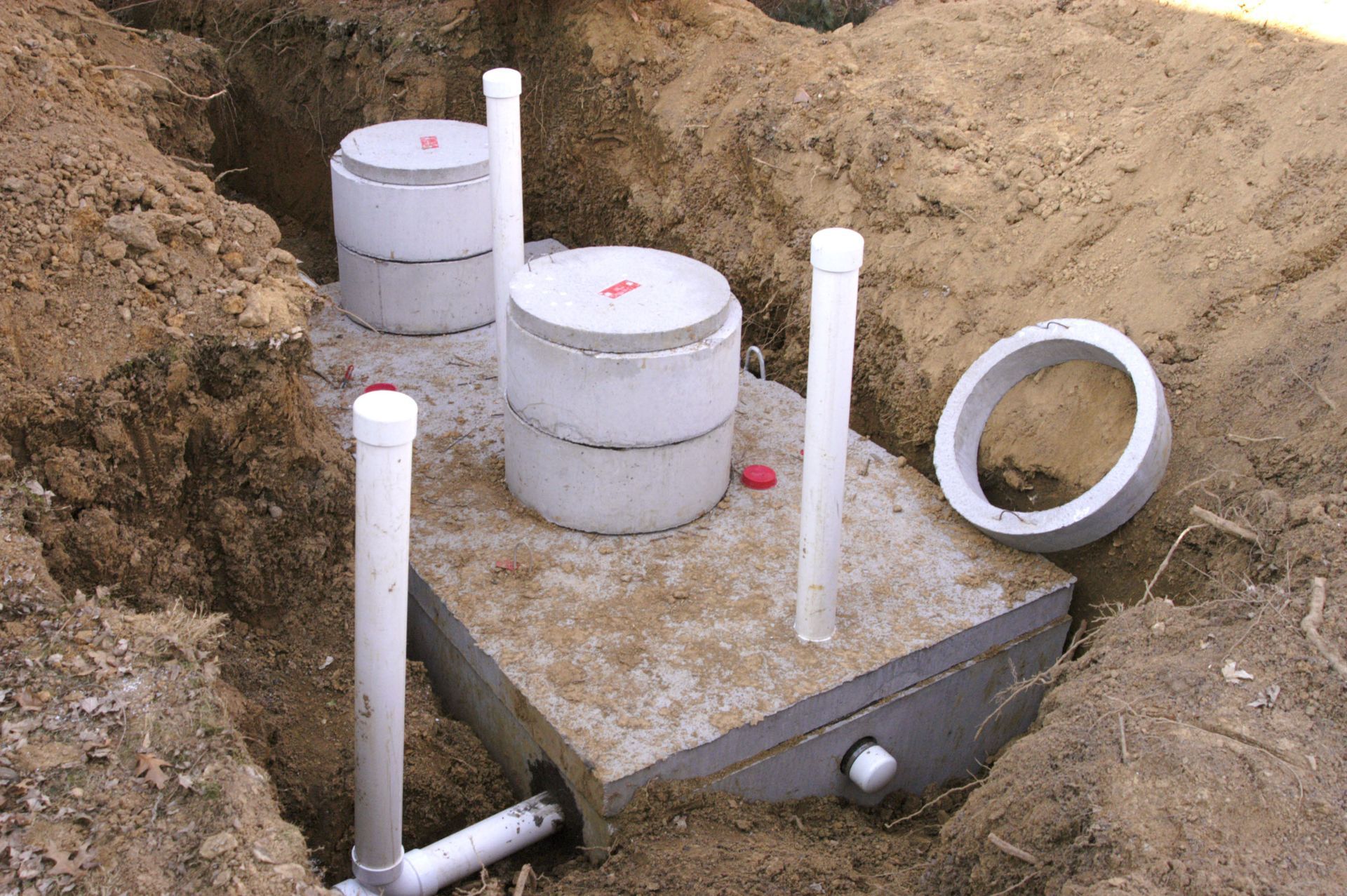
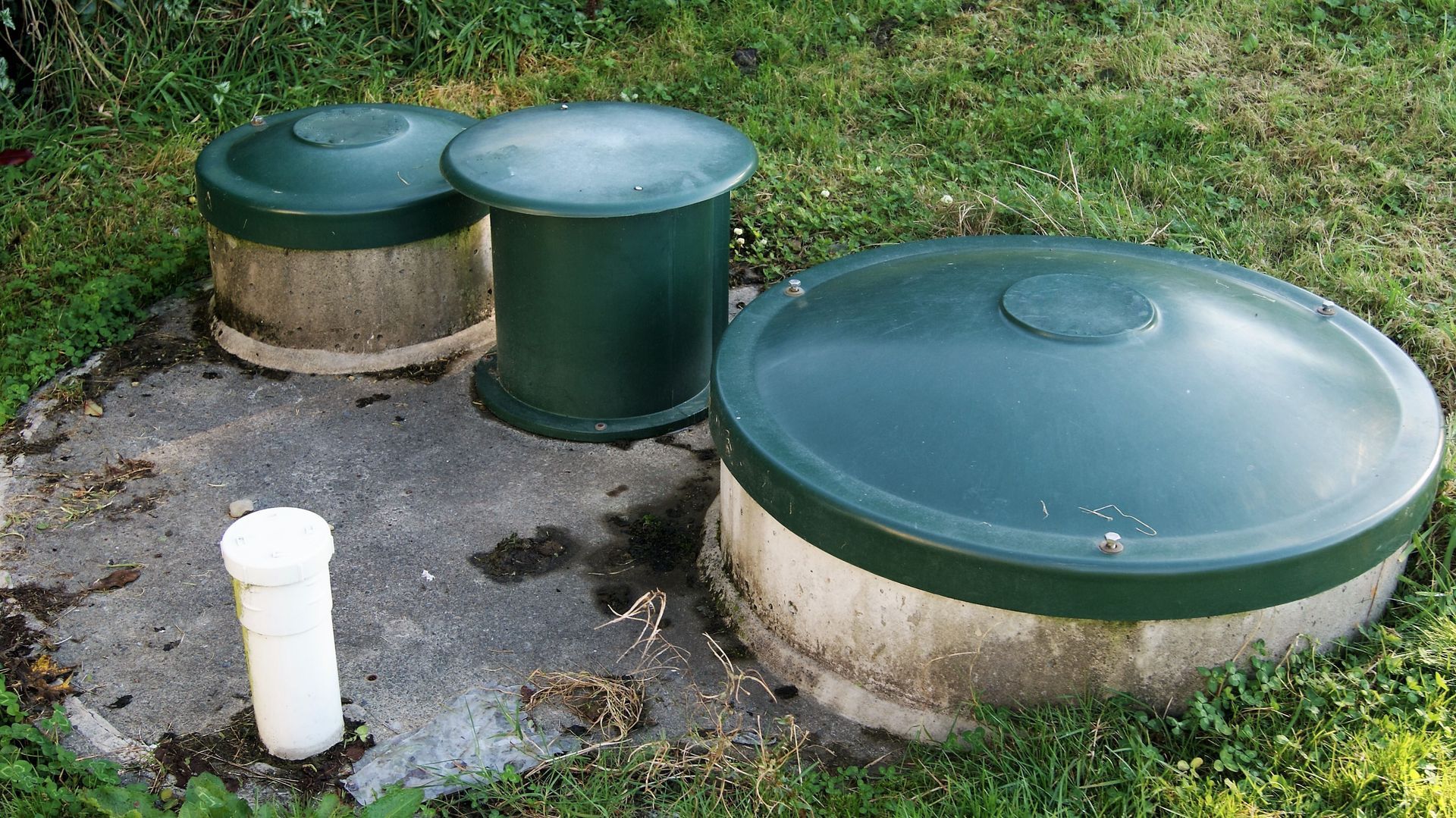
A standard septic system consists of an underground tank, connecting pipes, and an absorption field. Wastewater flows from home fixtures into the primary tank, where solids settle to the bottom, and light grease floats to the top. Liquid effluent then flows out toward the drainfield.
Exploring How Drainfields Function
The drainfield consists of perforated pipes buried in gravel trenches. Liquid waste trickles down through the soil, where natural soil bacteria filter out remaining impurities. Keeping heavy vehicles off the lawn prevents soil compaction and preserves filtration.
Valuing Natural Bacteria in Wastewater
Microscopic bacteria inside the tank naturally break down solid waste into liquid sludge over time. Maintaining a healthy environment for these natural organisms reduces solid accumulation. Avoiding excessive chemical use lets these helpful organisms do their job effectively.
Checking Overall Tank Capacity
Tank size matters when handling daily household waste. Larger households produce more wastewater, requiring adequate holding space to allow proper settling. Combining proper sizing with a regular septic pumping service avoids backup disasters.
Recognizing Common System Designs
Systems vary based on soil type, yard slope, and local conditions. Standard gravity systems rely on natural slopes to move water, while pressure distribution setups use pumps for tricky terrain. Knowing your system style helps you maintain it properly.
Planning Long-Term System Upgrades
If your family grows or home additions increase water demand, expanding your tank size makes sense. Upgrading holding capacity gives waste more time to settle properly. Pairing a larger tank with a routine septic pumping service supports high usage without overflowing.
Working with qualified plumbers ensures your upgrades meet safety standards and local building codes. Experienced technicians evaluate property layout, soil quality, and water usage patterns to recommend smart improvements.
Professional guidance helps you make sound choices for long-term comfort.
Taking care of your septic system protects your home, your property, and your peace of mind. Catching warning signs early and practicing good water habits goes a long way toward preventing sudden plumbing emergencies. When you need help managing tank health or clearing a backup, contact Action King Services to book your next septic pumping service today.