October 9, 2026
Understanding the ins and outs of maintaining a septic tank is crucial for new homeowners to avoid costly repairs and ensure efficient waste management. This article provides essential information and tips on managing your septic system effectively. Septic systems require special attention and understanding, as neglect can lead to significant damage not only to the system itself but also to the surrounding environment. Knowing how to maintain your septic system will not only save you money but also prevent environmental hazards. By partnering with professional septic pumping services and following a routine care plan, you can protect your investment. This guide will provide a comprehensive outline for septic tank care, applicable to any homeowner.
Understanding Your Septic System
The Basics of Septic Systems
Septic systems are underground wastewater treatment structures commonly used in areas without centralized sewer systems. They use a combination of nature and technology to treat household wastewater. Typical components include the septic tank and the drainfield, or soil absorption field. The tank digests organic matter and separates floating matter (e.g., oils and grease) and solids from the wastewater. Periodically, the tank needs to be cleared out by reliable septic pumping services to remove the built-up solids.
Wastewater from the home travels through a main drainage pipe to the tank, where it separates and is partially treated. The lighter waste, oils, and fats float to the top, forming a layer of scum, while the heavier waste settles to the bottom as sludge. Between these layers is a middle layer of partially clarified water, which is then channeled to the drainfield. Over time, the buildup of solids requires regular pumping to maintain system efficiency. According to This Old House, a typical 1,000-gallon septic tank serving a family of four needs to be serviced by local septic pumping services every three to five years.
Septic systems operate based on natural processes, allowing bacteria to break down waste material. The system is designed to be low-maintenance yet highly efficient. An efficient septic system should run without obvious odors and should treat water well before the clear effluent flows into the drainfield. The operation and lifespan of a septic system largely depend on how well it’s maintained, with routine inspections being of utmost necessity. Learning about these systems and scheduling timely septic pumping services is the first step for new homeowners in ensuring lasting functionality.
Components of a Septic System
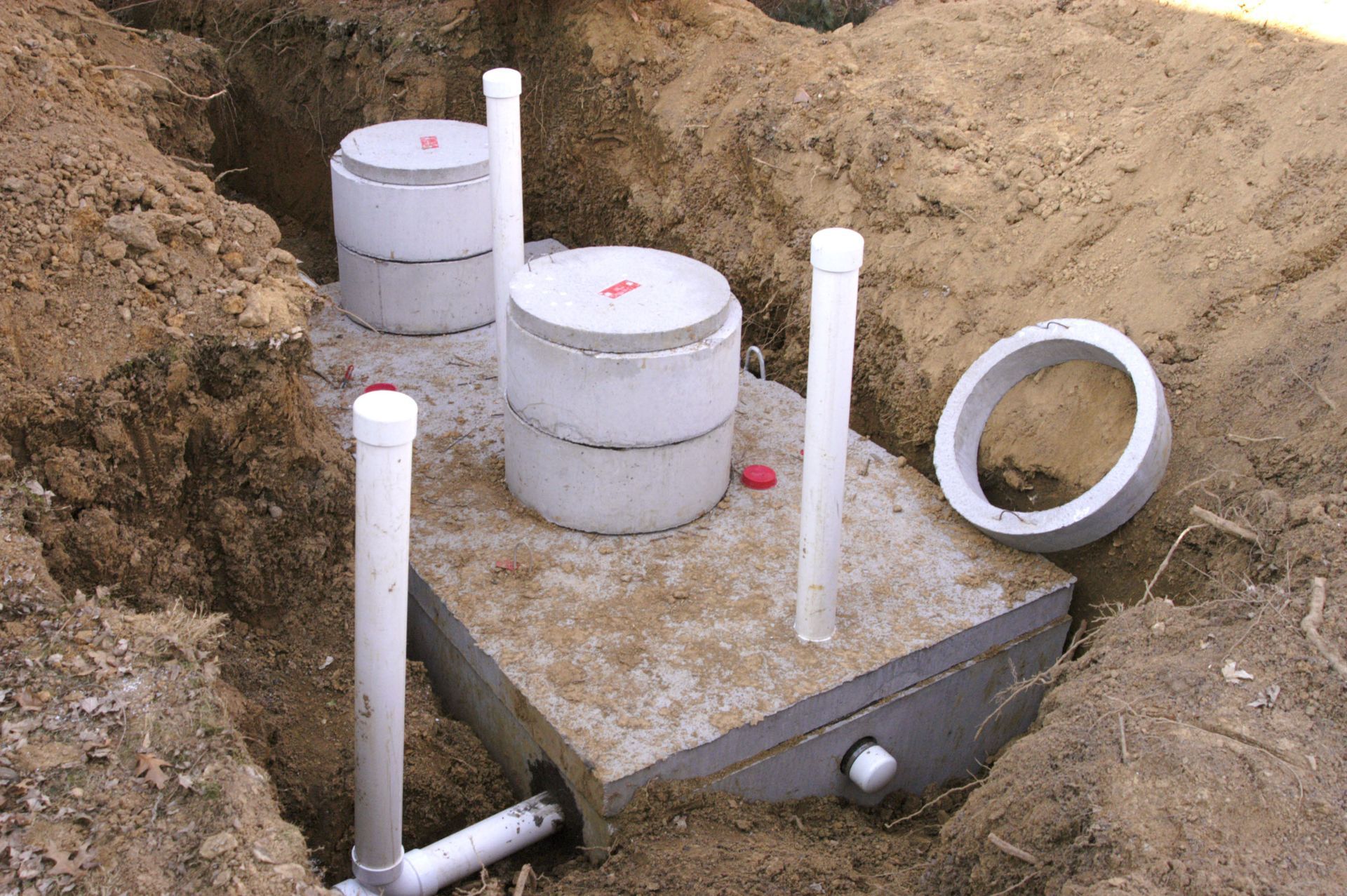
Septic systems typically consist of two main parts: the septic tank and the drainfield or soil absorption system. The septic tank is a watertight container made from concrete, fiberglass, or polyethylene and serves as a settling chamber for solids and oils in waste. The drainfield, on the other hand, is composed of a network of perforated pipes laid in beds loaded with gravel. Wastewater from the tank flows to the drainfield, where further treatment occurs as it percolates into the soil. Other components may include distribution boxes and pumps, depending on the system structure and local regulations.
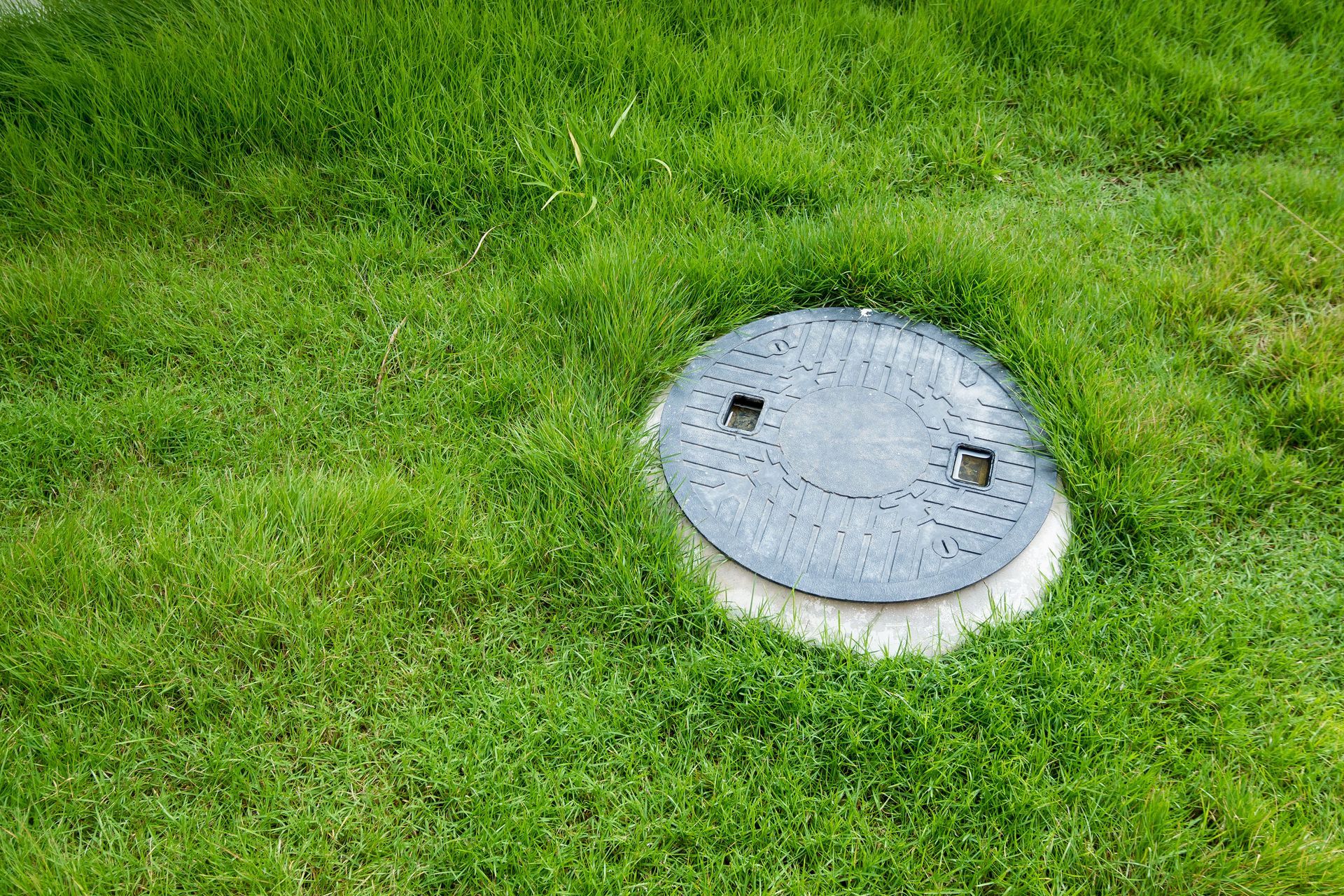
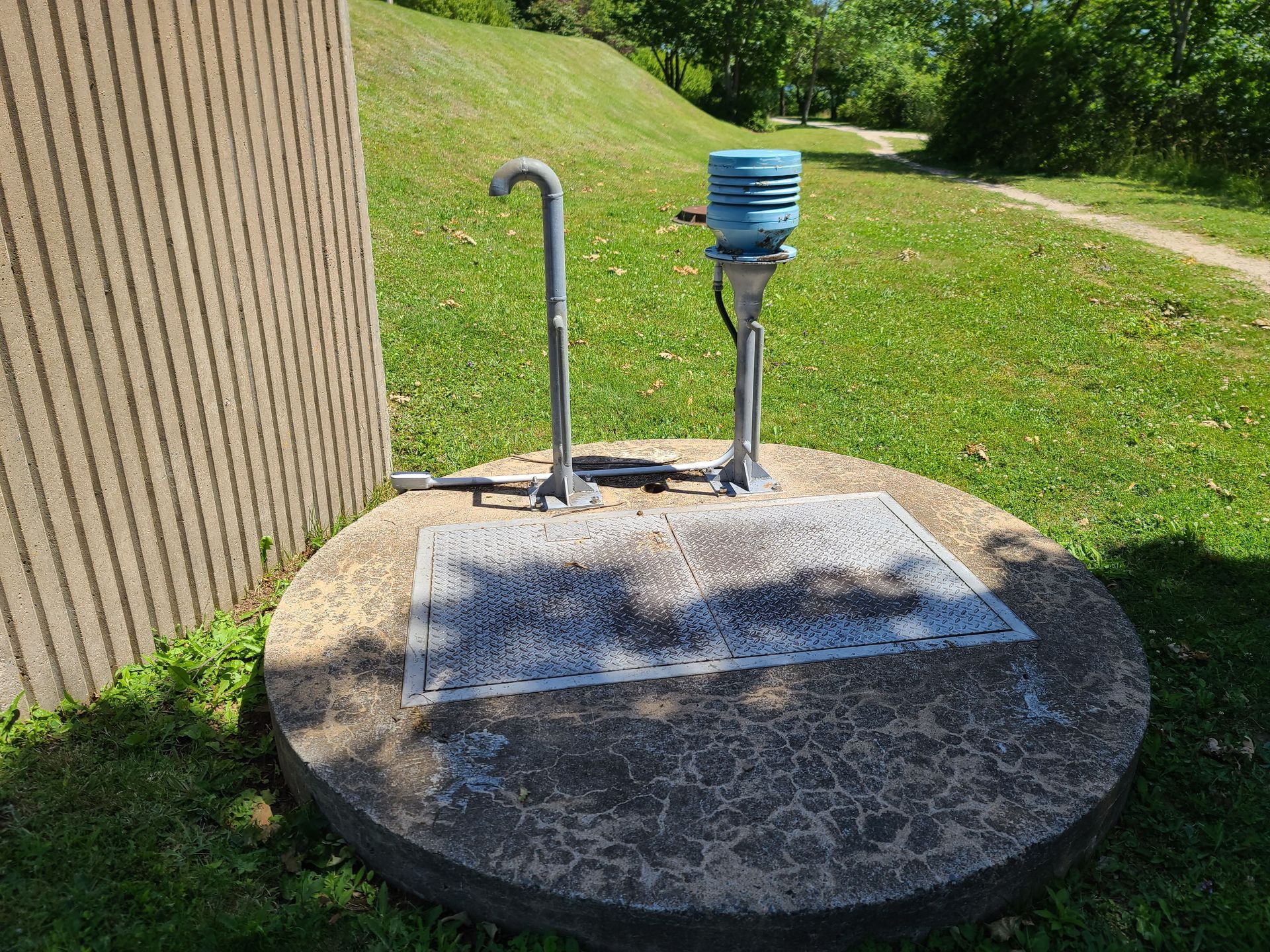
The septic tank itself has two manholes for access during inspections, repairs, and standard septic pumping services. When waste flows into the tank, it’s held for enough time, allowing solids to settle as sludge and scum to float to the surface as mentioned earlier. Inside the tank, anaerobic bacteria digest the settled sludge. As more wastewater enters the tank, the clarified liquid flows into the drainfield for further treatment. A well-built system will have an efficient ventilation system to release gases safely and ensure anaerobic processes continue smoothly.
How a Septic System Works
Septic systems work by channeling wastewater through a series of stages that treat and filter before releasing effluent into the drainfield. Wastewater from household plumbing fixtures first enters the septic tank for initial treatment. There, the natural settling process occurs, and anaerobic bacteria actively break down the organic sludge accumulating at the bottom. Meanwhile, scum formed by lighter waste floats to the surface and is eventually digested. The relatively clear water between the sludge and scum layers is then released into the drainfield for further natural filtration.
The drainfield is vital for the system's natural purification process. Once in the drainfield, the effluent trickles through soils, which act as biological filters. During this process, harmful pathogens are removed, and nutrients are absorbed or transformed by soil microbes. The quality of soil in the drainfield affects how effectively the effluent will be purified before it eventually reaches the groundwater table. Ensuring the drainfield is properly maintained and undisturbed is crucial to the overall health of the septic system.
Common Myths About Septic Systems
Myths surrounding septic systems can lead homeowners to make poor maintenance choices. One common misconception is that septic systems require little to no maintenance when, in fact, regular pumping and inspections are critical to preventing system failure. It’s also a myth that additives can replace professional septic pumping services, whereas most experts agree additives are unnecessary and sometimes harmful. Another myth is that septic systems harm the environment, but when well-maintained, they are efficient and eco-friendly methods of waste treatment. Finally, many believe septic tanks always emit foul smells, yet odor is a sign of a malfunctioning system.
Additional myths include mistaken beliefs that only liquid waste should enter the tank or that non-biodegradable materials will not affect the system. When solid waste enters the system, it should be adequately broken down by bacteria. Non-biodegradable materials can clog and overburden the system, leading to blockages and even failures. A common fear is that trees adjacent to drainfields will damage the lines; while possible, it depends greatly on tree type and proximity. Educating oneself about these fallacies can guide homeowners in implementing best practices for their septic systems.
It's essential to rely on factual information from reputable sources to maintain your septic system properly. Clear understanding eliminates misconceptions, allowing homeowners to focus on measures that are effective. Misguided practices based on myths may not only cost more in the long run but also harm the system and environment. Adhering to professional advice and hiring certified septic pumping services paves the way to a trouble-free septic experience. This knowledge empowers homeowners to optimize system efficiency while safeguarding the environment.
Signs Your Septic System Might Be Failing
Recognizing indicators of septic system failure early on can save homeowners from more severe and expensive problems. Slow drains or flushing difficulties could signal a blockage or overfilled tank requiring immediate cleaning or repairs. Another indicator is odors emanating from household drains or pathways leading to the drainfield. Gurgling sounds in the plumbing can also indicate problems within the system. Additionally, noticing overly lush or soggy patches near the drainfield often signals saturation, blockage, or effluent surfacing due to overloading.
Septic systems sometimes cause backups of wastewater in household plumbing fixtures. This is an urgent sign of a failing system, often due to clogged lines or an overloaded tank that desperately needs septic pumping services. In these situations, immediate attention is necessary to prevent hazardous overflows and damage to home interiors. A consistently wet and soggy lawn in the area of the drainfield may evidence that untreated wastewater is surfacing, a serious health hazard. Addressing these signs promptly through professional assessment and intervention is essential.
Regular visual inspections and monitoring of plumbing function provide homeowners with early detection of potential septic issues. Many signs of malfunction are preventive with consistent, proper maintenance. Homeowners should keep their eye on the landscape and drainage speeds, as these can offer clues on system health. Early intervention and consulting with professional septic technicians can avert failures, safeguarding the home and environment. Understanding how to identify these warning signs is key to proactive septic system management.
Maintaining a healthy septic system doesn't have to be overwhelming for new homeowners. By understanding how your system operates, practicing smart water conservation, and being mindful of what goes down your drains, you can prevent major issues before they start. Above all, partnering with licensed professionals for routine inspections and timely septic pumping services remains the single most effective way to extend your system's lifespan, protect your property value, and keep your home safe for years to come. Call Action King Services today to learn more.