November 9, 2026
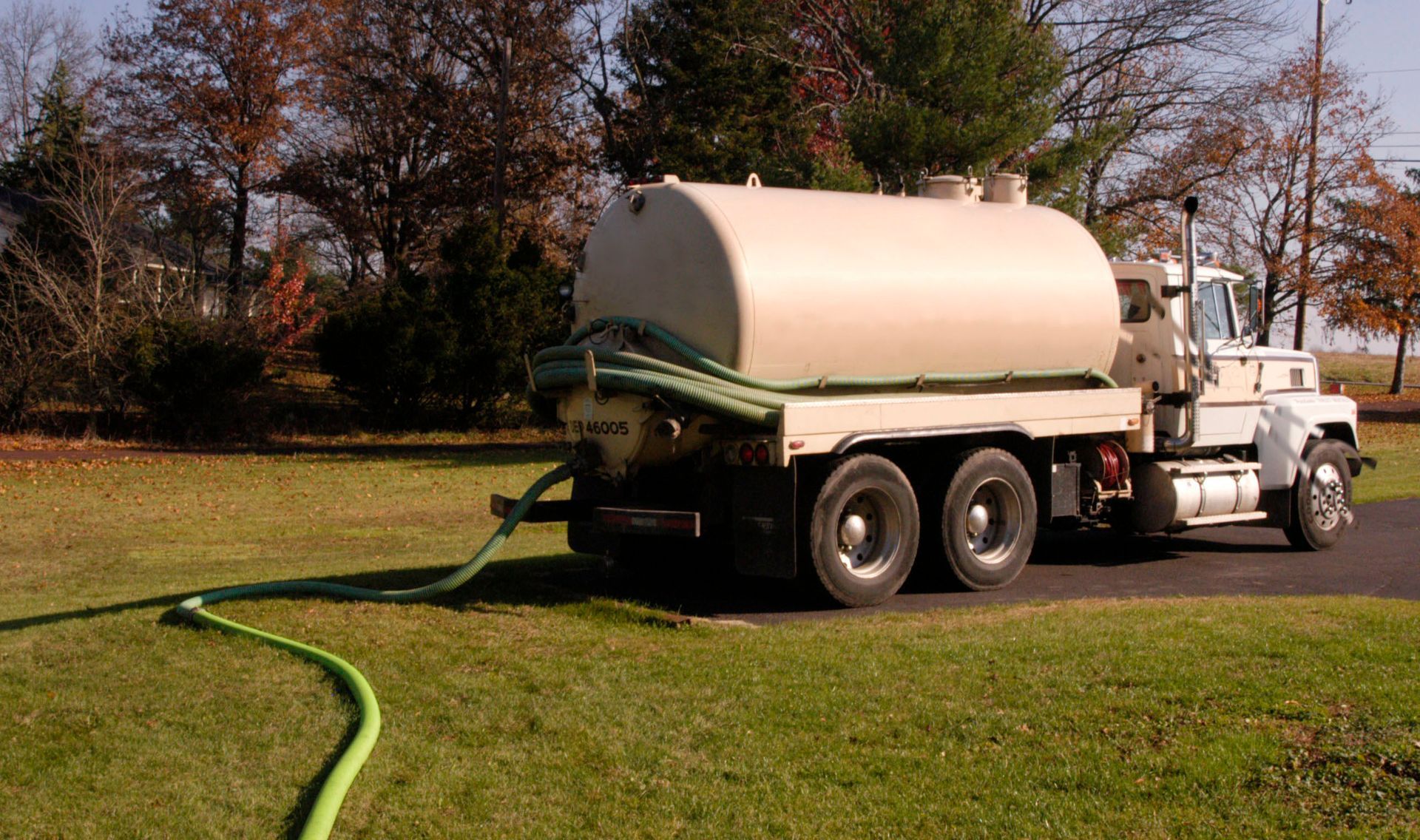
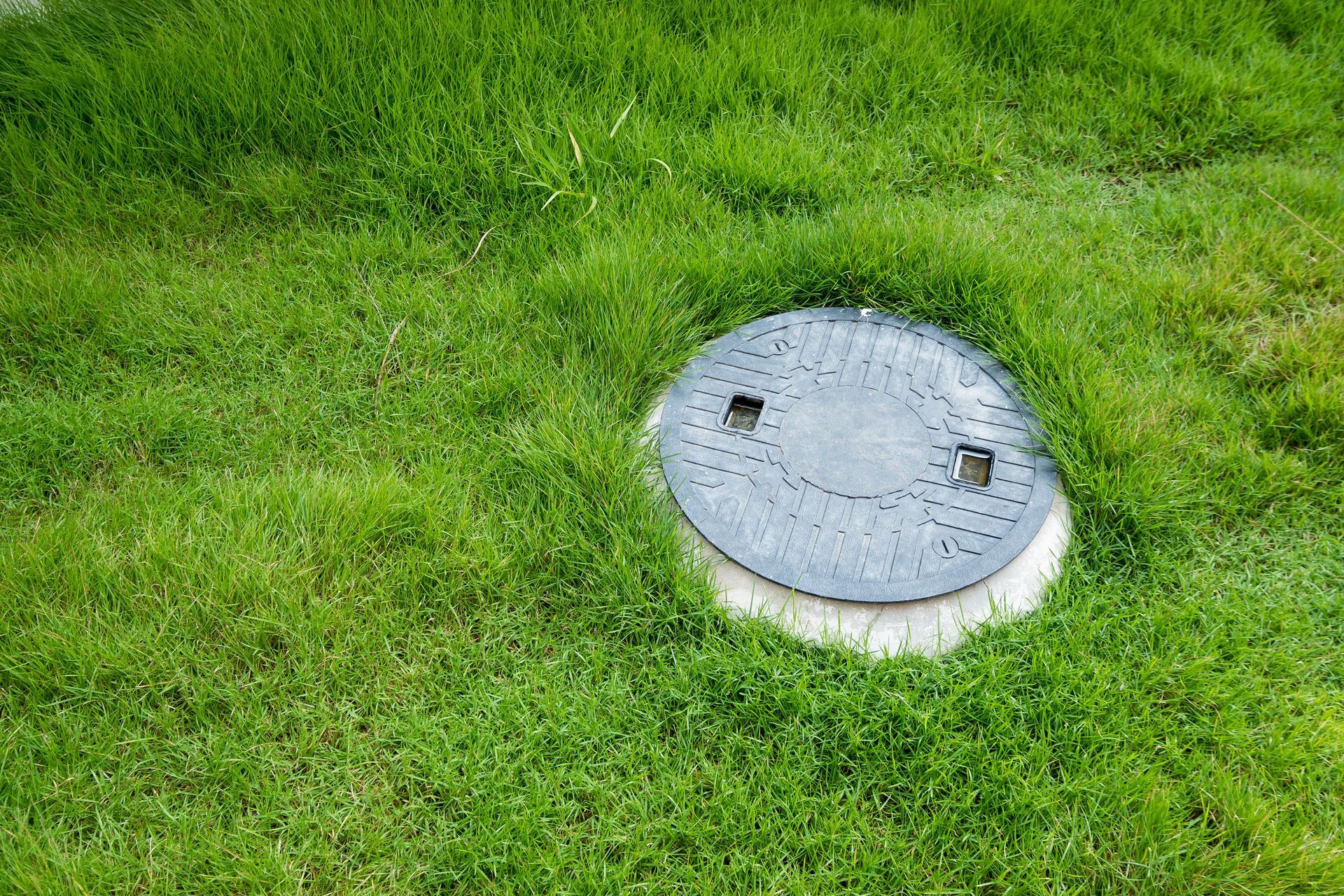
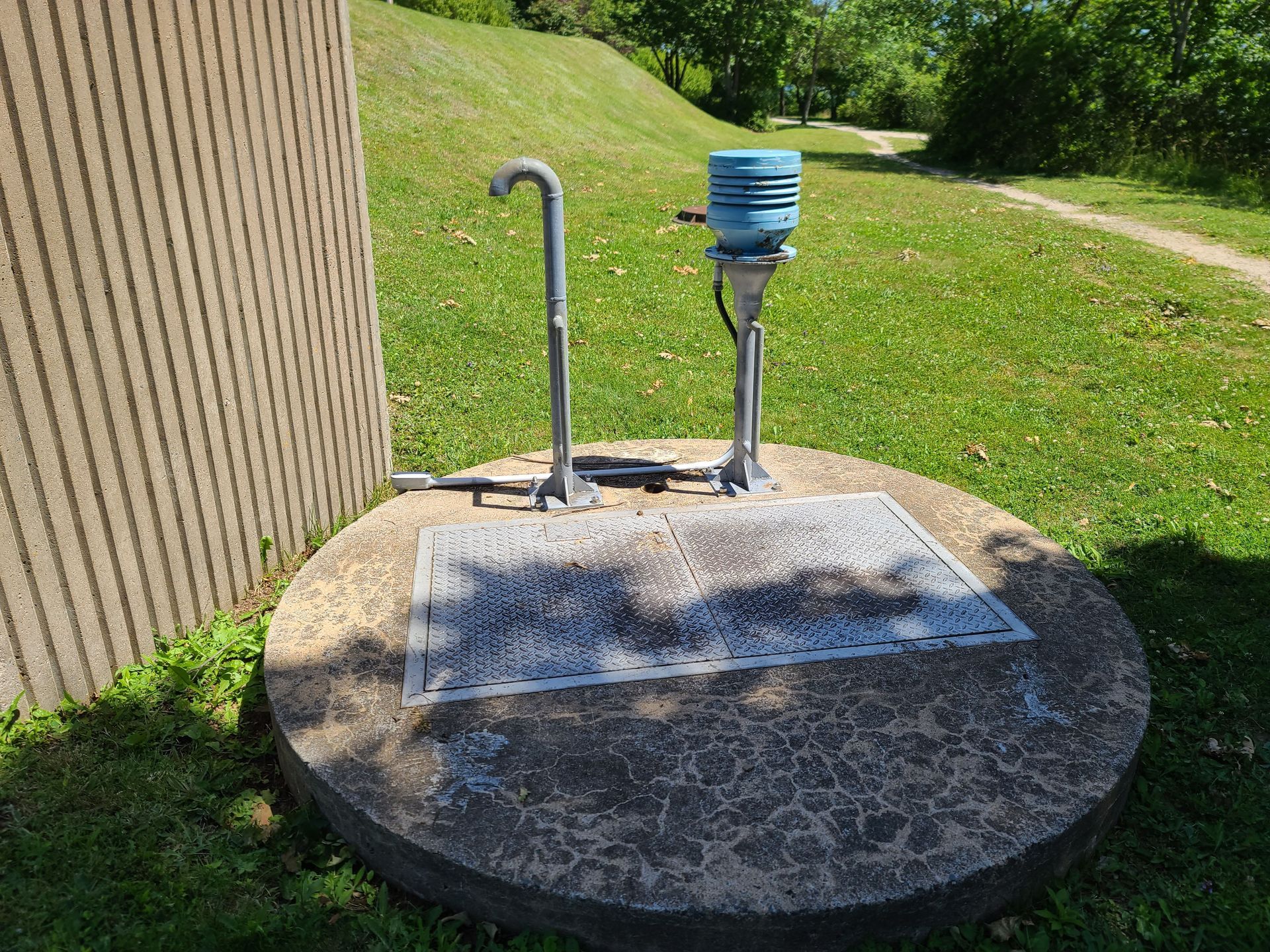
Owning a property with a private wastewater setup brings unique responsibilities that homeowners might overlook. Unlike municipal sewer grids that require little thought, a localized waste management setup demands proactive care and a firm grasp of maintenance schedules. Neglecting this infrastructure often leads to disastrous consequences, including foul odors, backyard flooding, and expensive repair bills. As you navigate homeownership, learning to properly care for your residential septic systems becomes paramount. A key part of that ongoing care involves knowing when to call professionals to clear out accumulated sludge. Over time, solid waste builds up at the tank's base, significantly reducing operational capacity. Recognizing the warning signs early can save you from catastrophic failures.
Understanding Your System Capacity and Household Size
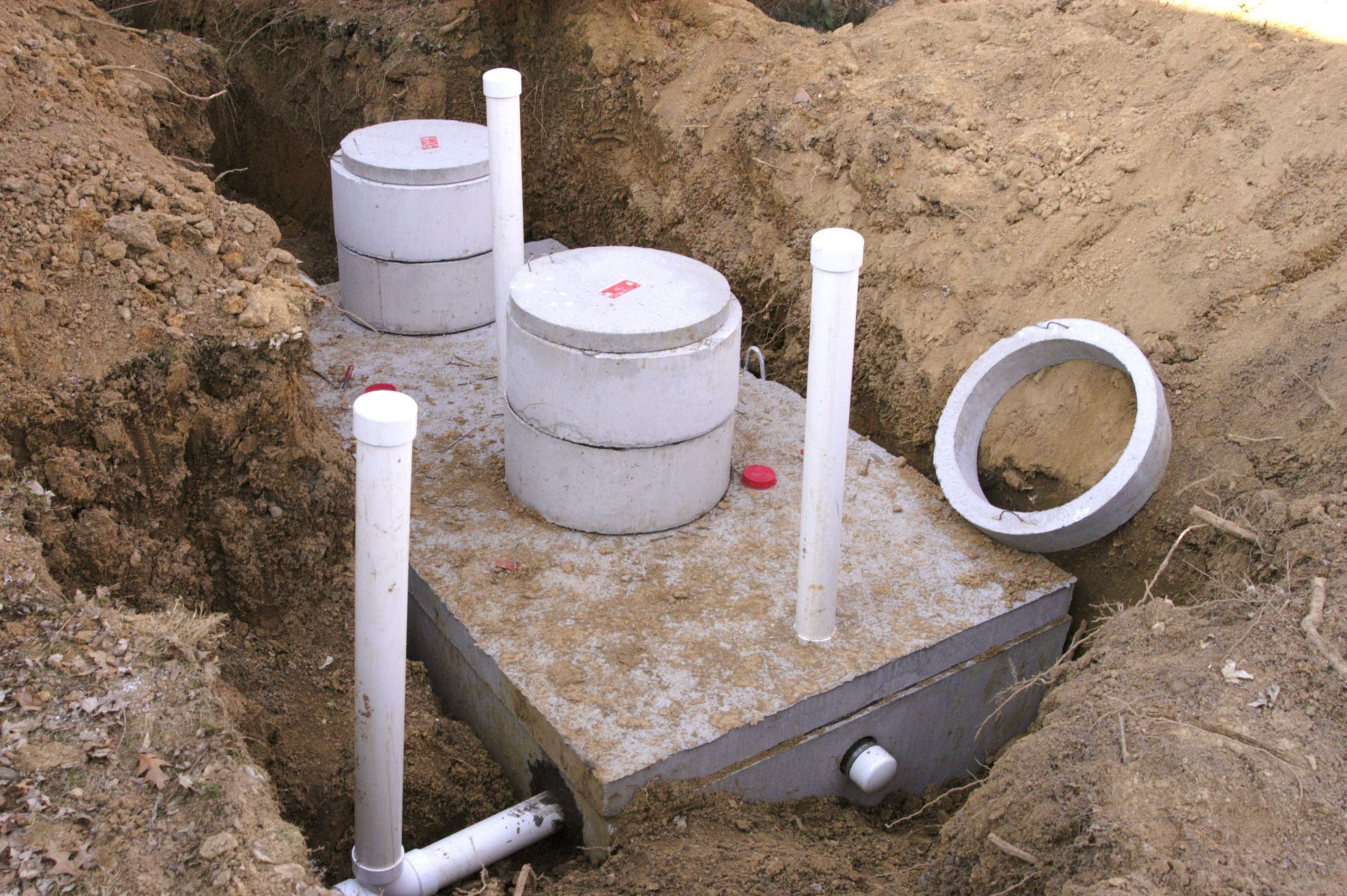
Every waste management setup is uniquely sized to accommodate the expected water usage of the property it serves. The dimensions of the holding tank dictate how much waste it can safely contain before requiring a cleanout. Larger families generating massive volumes of daily wastewater will naturally fill their tanks at an accelerated rate compared to single individuals. Knowing your exact tank capacity provides the baseline for calculating your overall maintenance timeline. According to the home improvement experts at This Old House, any standard residence with two or three bedrooms requires a tank offering a minimum capacity of 1,000 gallons. If you frequently host gatherings, run multiple laundry loads daily, or take long showers, you push that capacity to its limit faster. Understanding this correlation is the first step in proactive management, long before you need to schedule an emergency septic service.
Recognizing the Warning Signs of a Full Tank
Even with meticulous calculations regarding your household water usage, physical warning signs often manifest when your tank reaches its maximum threshold. The most glaring indicator of an impending overflow is sluggish drainage throughout your entire home. If multiple sinks, showers, and toilets simultaneously begin draining at a painfully slow pace, a blockage or a full tank is the most likely culprit. Additionally, you might notice unusually lush, vibrantly green patches of grass growing directly over your drain field. While perfectly manicured lawns are desirable, unnatural growth usually means nutrient-rich wastewater is leaking upward. Foul odors permeating the air around your property or hovering near indoor plumbing fixtures serve as another undeniable red flag. Gurgling sounds echoing from your pipes after flushing a toilet further suggest that trapped gases are struggling to escape due to restricted flow. When these symptoms appear together, it is time to bring in a septic pumping service to restore normal functionality.
Evaluating Your Daily Water Usage Habits
Beyond the physical size of your holding tank, your daily lifestyle choices impact the frequency of required cleanouts. Every drop of water sent down the drain ultimately ends up in your underground waste management setup. Leaky faucets, constantly running toilets, and inefficient washing machines contribute thousands of gallons of unnecessary water annually. This excess liquid overwhelms the drain field, forcing solid waste to accumulate rapidly because the breakdown process cannot keep up with the influx. Upgrading to high-efficiency appliances and low-flow showerheads drastically reduces the heavy burden placed on your underground infrastructure. Furthermore, routing rainwater runoff from your roof gutters away from the drain field prevents unnecessary soil saturation. Evaluating and altering these daily habits will significantly extend the lifespan of your setup. Implementing strict water conservation strategies not only helps protect the local environment but also stretches the intervals between each necessary septic pumping service, saving you money over time.
Monitoring What Goes Down Your Household Drains
The materials you flush down toilets or wash down kitchen sinks play a massive role in determining your maintenance timeline. Underground tanks rely heavily on naturally occurring bacteria to effectively break down organic solid waste. Introducing harsh chemical cleaners, antibacterial soaps, and strong bleach solutions into your plumbing kills these beneficial microbes, abruptly halting the decomposition process. Furthermore, non-biodegradable items like disposable wipes, feminine hygiene products, paper towels, and dental floss never disintegrate. They simply accumulate at the bottom, artificially raising the sludge level and dramatically reducing the available volume for liquid wastewater. In the kitchen, pouring cooking fats, oils, and grease down the sink creates dense, impenetrable layers of scum that clog the inlet and outlet pipes. To diagnose hidden clogs caused by improper waste disposal, professionals often utilize video pipe inspection. Practicing strict discipline regarding what enters your pipes minimizes unexpected emergencies and maximizes the time before you require another septic pumping service.
Scheduling Routine Inspections and Preventative Maintenance
Waiting until disaster strikes is an expensive and stressful approach to managing your underground wastewater infrastructure. Proactive homeowners recognize that routine evaluations prevent minor issues from escalating into major catastrophes. Hiring a trained professional to thoroughly evaluate the sludge and scum levels inside your tank provides an accurate timeline for your next necessary cleanout. During these visits, technicians carefully check for tiny cracks, minor leaks, and early signs of root intrusion. If your property is located in Massachusetts, you might also need specific evaluations like Title 5 inspections to remain fully compliant with strict environmental regulations, especially if you plan to sell your home. Coupling these evaluations with professional drain cleaning ensures that the pipes leading away from your home remain free of debris. Establishing a consistent, recurring schedule with a reliable septic pumping service takes the guesswork out of the equation, guaranteeing that your infrastructure receives the precise care it needs.
Maintaining a Detailed Record of All Service Visits
Keeping organized documentation of every evaluation, repair, and cleanout is an underrated aspect of responsible homeownership. Far too often, property owners lose track of exactly when their underground tank was last emptied, leading to dangerous delays in maintenance. Create a dedicated folder or a digital spreadsheet specifically for your wastewater management records. Document the exact date of the visit, the company that performed the work, the specific volume of waste removed, and any customized recommendations the technician provided. If the technician noted that your sludge levels were unusually high after just two years, you immediately know to adjust your future schedule accordingly. This historical log proves absolutely invaluable if you ever decide to put your property on the real estate market, as prospective buyers always demand concrete proof of proper maintenance. A comprehensive service history also assists your chosen septic pumping service in identifying long-term trends or recurring issues that might require specialized solutions.
Managing a localized wastewater infrastructure does not have to be an overwhelming or mysterious burden. By actively educating yourself on the exact capacity of your tank, paying close attention to early warning signs, and practicing responsible water usage, you remain in complete control of your property. Eliminating harsh chemicals and non-biodegradable items from your daily routine further ensures that the biological processes inside your tank function flawlessly. Regular evaluations and meticulous record-keeping empower you to make highly informed decisions regarding your maintenance schedule, preventing costly emergencies before they ever have a chance to materialize. Do not wait for a sluggish drain, a foul odor, or a flooded yard to force your hand. Proactive care guarantees a safe, sanitary, and fully functional home environment for you and your family. When the time eventually comes to clear out the accumulated waste and restore your system to peak performance, reach out and book your next septic pumping service with the dedicated professionals at Action King Services.